
Basic Page
Basic Page
Published on
2020 Mar 09Training on beekeeping techniques for populations living near the Bururi Reserve, environments bordering the Bururi Forest Nature Reserve
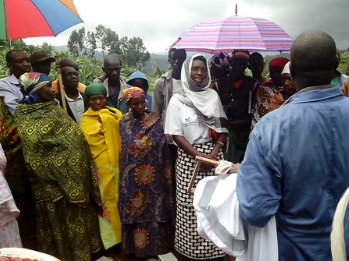
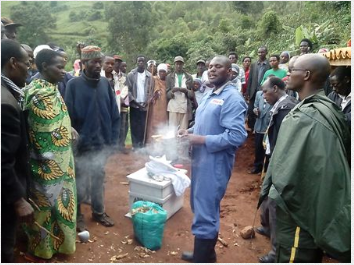
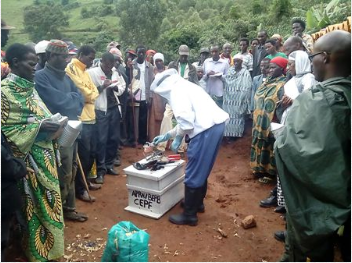
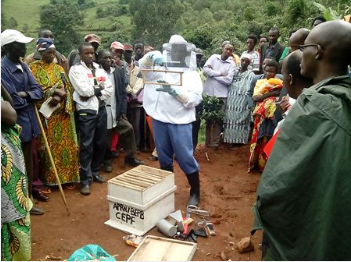
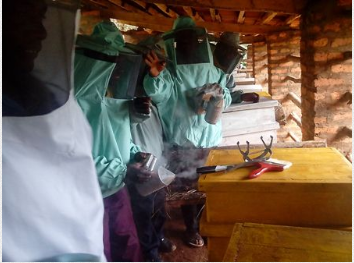
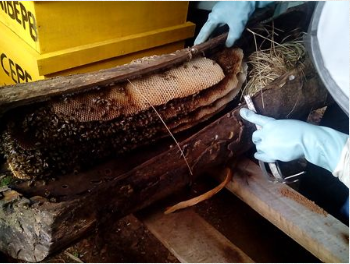
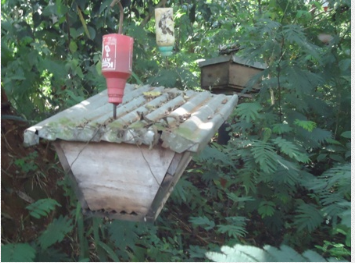
As part of the “Integrated Management of the Bururi Forest Nature Reserve” project, members of the TUVEMUBUJA Association and representatives of local associations bordering the Reserve received training in modern beekeeping techniques. The training took place at the bee breeding site located on the Gikokoma sub-hill of Murago Hill. On this occasion, theoretical training was followed by practical training with supporting demonstrations.
In the theoretical part, participants learned what a bee population represents, the life of a colony, the multiplication of colonies, the various elements of an improved modern wealth. In the technical part, the population was imbued with knowledge of techniques for fighting bee enemies, techniques for harvesting honey. The said training aimed at the promotion and development of the beekeeping sector by improving the production of honey in quantity and quality, and the processing and marketing of this commodity in compliance with international standards. In general, training should contribute to improving the food security of the population by increasing production and diversifying the incomes of rural populations by creating a dynamic of consultation and the promotion of inter-cooperation between beekeeping groups.
- Train beekeepers on modern techniques for bee breeding, production, processing, packaging and marketing of honey and by-products;
- Improve the quality of honey and by-products;
- Organize the circuit for collecting and marketing honey and by-products;
- Contribute to the protection of the environment.
 |
 |
 |
 |
 |
 |
Project Coordinator visits Uganda
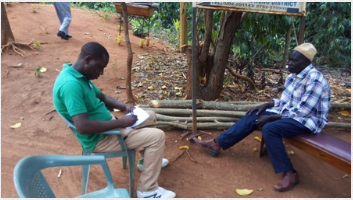
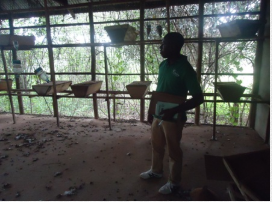
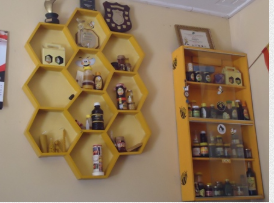
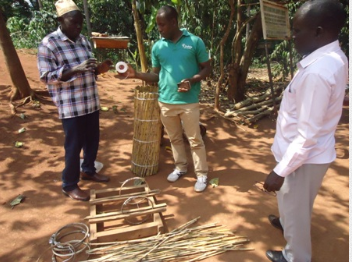
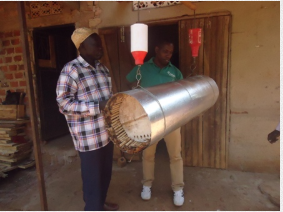
The Project Coordinator above on behalf of APRN/BEPB carried out a working mission to the Republic of Uganda at the invitation of BUNYANGABU Beekeepers Cooperative Society LTD (BBC). The latter had organized an activity to promote beekeeping in rural areas. The following stakeholders in the honey sector were visited:
- beekeepers in rural areas with limited resources;
- beekeepers in rural areas with a lot of resources;
- operators living in beekeeping and exporting honey and its derivatives;
 |
 |
 |
 |
 |
 |