
Basic Page
Basic Page
Published on
2024 Apr 29State of knowledge of the invasive species Sericostachys scandens by the population living near Kibira National Park
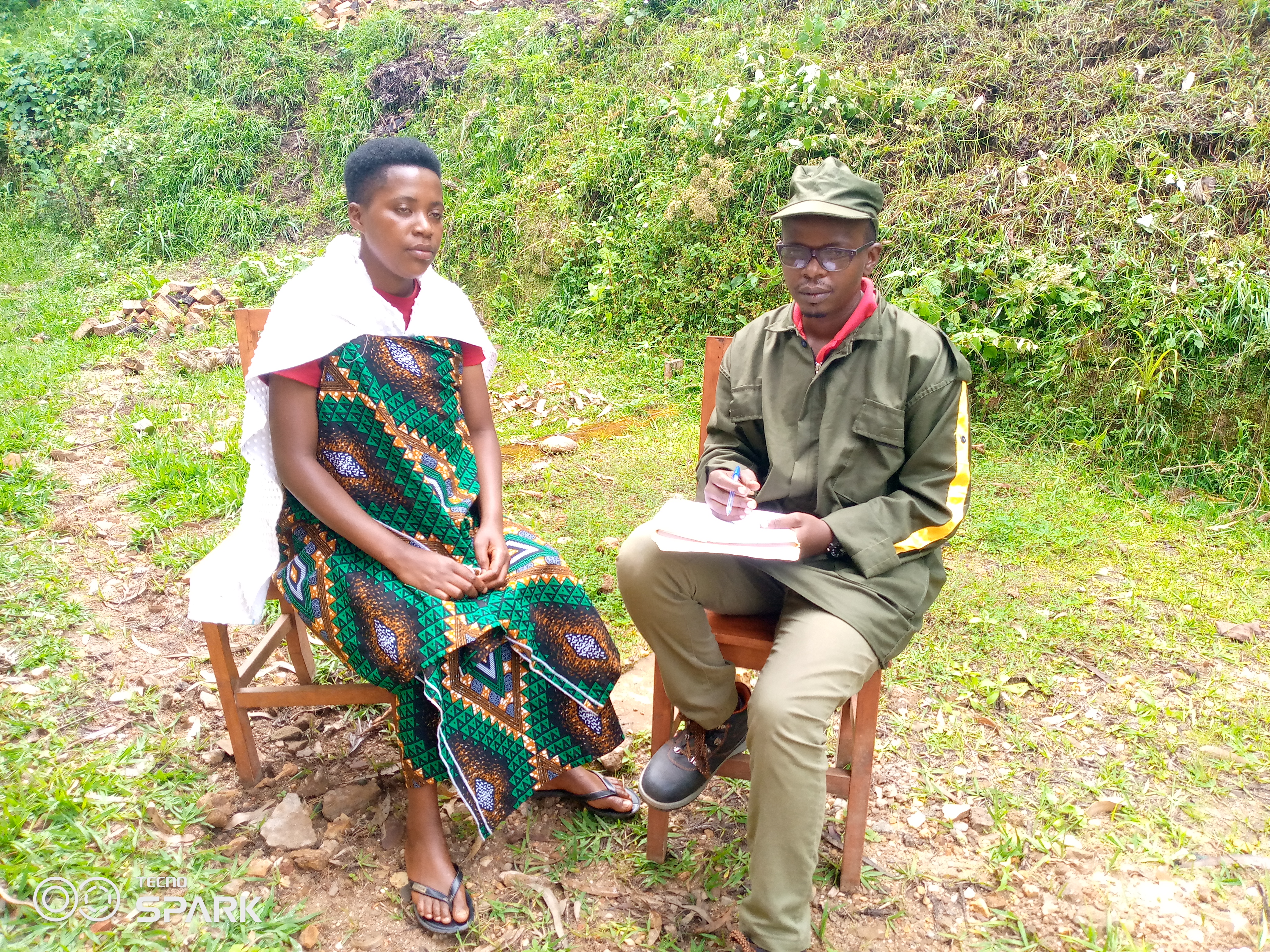
A data collection was organized among the populations living near Kibira National Park (PNK) to understand the state of knowledge of the invasive species Sericostachys scandens. This activity was funded within the framework of the “Program of Research, Information Exchange, Information Exchange, Awareness and Conservation of Biodiversity in Burundi” set up under the Memorandum of Understanding between OBPE and the Royal Institute of Natural Sciences of Belgium (IRSNB).
 |
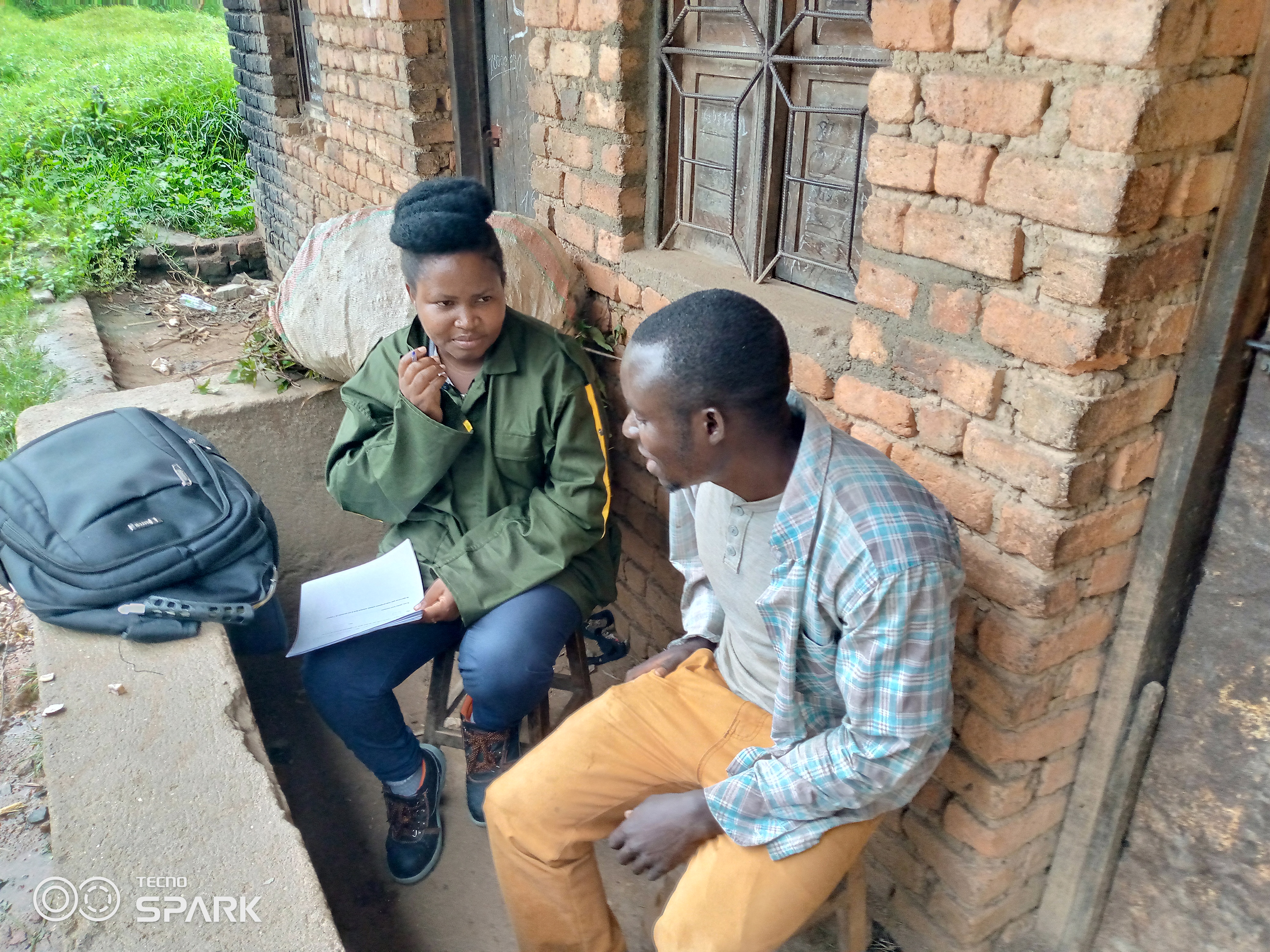 |
Data collection in the PNK river hills
The invasive species Sericostachys scandens is a real threat to the vegetation of the habitats of the protected areas where it is observed and more particularly in PNK. Indeed, the population believes that this species has a high density in the PNK, which slows the growth of other species and causes windfall for the trees.
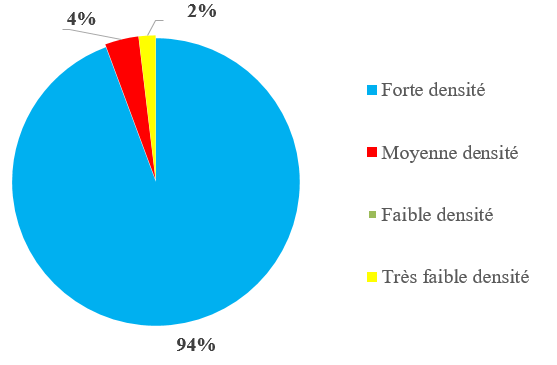
According to the same population, contribute significantly to the degradation and destruction of vegetation in PNR habitats.
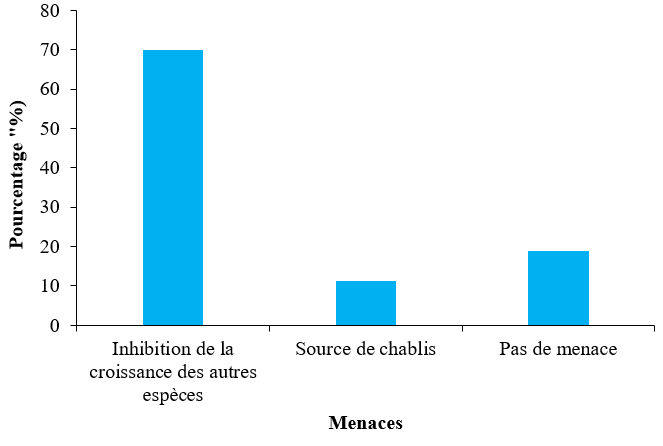
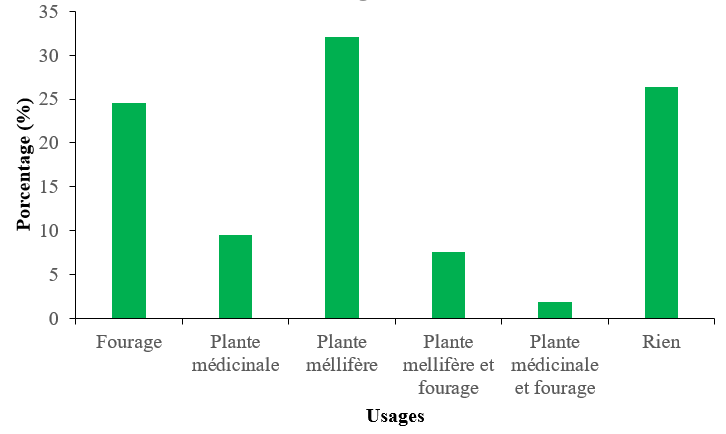
Despite the harmful consequences of Sericostachys scandens, part of the population believes that this species is useful insofar as it is used as a fodder, honey and medicinal species.
Faced with this situation, the population is offering solutions for the active management of Sericostachys scandens in order to control and eradicate it.
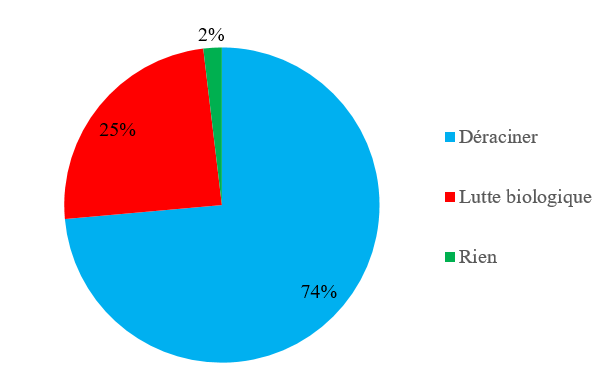
In conclusion, it was observed that the majority of the PNK shoreline population is aware of the invasive species and its threats to other vegetation components. This population proposes eradication by uprooting to the root or control of this species despite the fact that some inhabitants see it as an opportunity for livestock feeding and for beekeeping.