
Basic Page
Basic Page
Published on
2019 Oct 18National workshop to validate sectoral biodiversity integration plans for the implementation of the National Biodiversity Strategy and Action Plan
In 2013, on the 31st day of July, a National Workshop to validate sectoral plans for the integration of biodiversity for the implementation of the National Strategy and Action Plan on Biodiversity was held in Bujumbura, at the hotel source of the Nile.This workshop is part of the Project Revision of the National Strategy and Action Plan on Biodiversity and Development of the Fifth National Report to the Convention on Diversity. Organic.
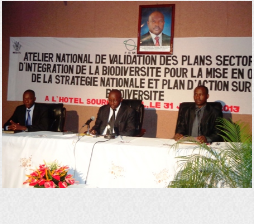
The work of the workshop began with speeches delivered successively by the Assistant to the Ministry of Agriculture and Livestock and the Permanent Secretary of the Ministry of Water, Environment, Land Management and Urban Development (MEEATU). The first speech was an overview of the current state of biodiversity in relation to the agricultural area, which is becoming more and more reduced following the high population, the consequence of which is the invasion of natural ecosystems for cultural clearings. The second speech focused a lot on the steps already taken in the process of integrating biodiversity into key sectors. Indeed, this last validation stage came after the sectoral consultations that brought together all stakeholders sector by sector.
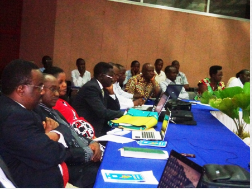
The opening ceremonies were followed by a series of presentations on the state of biodiversity in each sector, the causes and consequences of biodiversity degradation, the identification of stakeholders, the constraints to the preservation of biodiversity, the strategic action plans and the mechanisms for implementation. The presenters from the various key ministries concerned with the integration of biodiversity were able to show the achievements already made in the process of integrating biodiversity in their respective ministries as well as the obstacles encountered in this process.
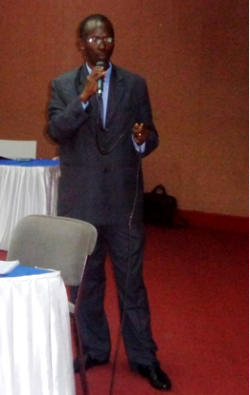
In the sector of senior decision-making bodies, quite a few causes of the degradation of biodiversity have been identified and we can cite, for example, the lack of a framework for collaboration between decision-making bodies and decision-makers who are not well informed about biodiversity. However, following consultations within this sector, five solutions were proposed to face these challenges and are the establishment of an interministerial platform, the organization of a government retreat on biodiversity, the establishment of an independent observatory on biodiversity, the establishment of an independent biodiversity observatory, the establishment of a technical committee on biodiversity under the supervision of the MEEATU and the organization of a national forum for the various actors in the field of biodiversity.
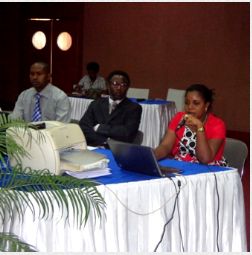
At the Ministry of Agriculture and Livestock, among the constraints the presenter cited the low level of collaboration with the forest department for introduced forest seeds, the lack of a soil map adapted to a natural region and crops. However, based on the 2013-2030 National Vision, MINAGRIE has already set goals to achieve in order to integrate biodiversity into its programs and strategies as well as implementation mechanisms.
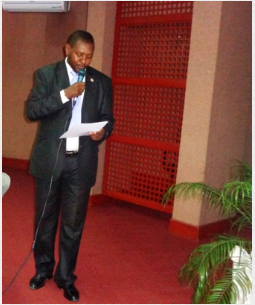
In the Energy and Mining sector, the presenter showed the degree of involvement of this sector in the process of integrating biodiversity and identified the main causes and consequences of the degradation of biodiversity related to the exploitation of minerals and the constraints for the preservation of biodiversity. Thus, the overall objective of the strategic action plan proposed at the level of this sector is to take account of causes and consequences in sectoral programmes and policies. And to achieve this, the Ministry has set specific objectives and an implementation mechanism by 2016.
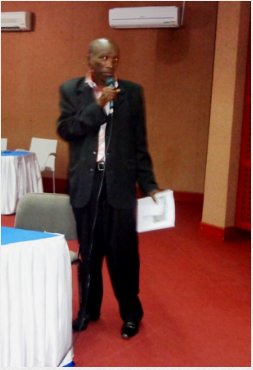
In the sector of Commerce, Industry, Posts and Tourism, the Director General of Industry noted that the sector is a source of threats to biodiversity. He thus listed the causes and consequences of the degradation of biodiversity in this sector. He did not fail to highlight the constraints associated with the integration of biodiversity. These include the lack of a common planning framework within sectors to avoid overlaps, the inadequacy and low qualification of human resources, the lack of appropriate tools and techniques to detect or limit certain causes of biodiversity destruction.
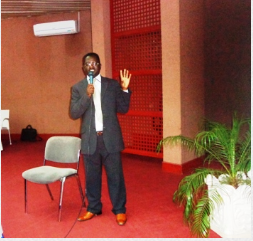
At the Ministry of the Interior, the Advisor to the Minister of the Interior gave a global view of what is disturbing the human person while affirming that the involvement of the population in the process of integrating biodiversity depends on the will of the authorities. In addition, he emphasized that the development of decentralized administration action plans does not take biodiversity into account. However, he indicated that there is a mode of intervention in this sector characterized by raising the awareness of the population, applying administrative sanctions, etc. In terms of the implementation of mechanisms for integrating biodiversity, the sector proposes the establishment of a technical biodiversity committee to ensure supervision.
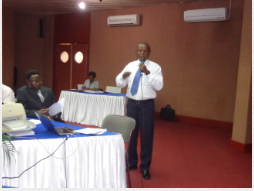
In the transport sector, the Advisor to the Minister of Transport, Public Works and Equipment first listed the various missions assigned to the sector while stressing that no emphasis is placed on biodiversity although the sector contributes directly or indirectly to the degradation of biodiversity following the interventions of its various services. The presenter did not fail to highlight the impacts of infrastructures, buildings and equipment on biodiversity as well as the threats, causes and consequences caused by them. Thus, the sector has set itself the objective of contributing to the purposes of the National Strategy and Action Plan on Biodiversity 2013-2020 by better taking into account equipment, on the one hand in the development of projects, construction, maintenance and operation of infrastructures and transport equipment and in the training, awareness-raising and daily work of the personnel performing these tasks, on the other hand.
After the presentations, there were interventions in the form of questions, contributions, observations, or comments. To all the observations, questions and concerns expressed, satisfactory light and answers were provided by the SNPAB project coordinator and the various speakers. During the work of the committee, six groups were formed according to the sectors to analyze the sectoral plans presented and to amend them, especially at the level of substance and form, before validating them. Thus, during the plenary, the following amendments were proposed:
- At the level of the MINAGRIE sectoral plan, there is a lack of details on the role of livestock. At the level of institutional analysis, it was proposed that there should be a restructuring and chronological review of the various decrees. On the point of stakeholders, the group identified only two instead of three as specified in the document. In addition to the consequences, the pollution of the waters of Lake Tanganyika must be added. There is also a need to reformulate the objectives and mechanisms for implementing the sector's action plan.
- At the level of the sectoral plan of the Ministry of Commerce, Industry, Posts and Tourism, the group proposes to change INECN into INCN; to show the motivation of stakeholders in this sector and to propose mechanisms of action. It also proposes the reformulation of objectives by sector based on the constraints identified.
- At the level of the sectoral plan of the Ministry of the Interior, the group proposes to enrich the part relating to the institutional framework; to mention municipalities and provinces as integral parts and not as stakeholders; to identify threats, causes and constraints before formulating the objectives by referring to them and finally resuming the action plan;
- At the level of the Ministry of Transport, Public Works and Equipment, the observation was that the document was well done except for a few spelling mistakes. In addition, the contact person should specify that climate change is a threat and a consequence of biodiversity.
- At the level of the higher decision-making bodies sector, the team asked to clearly specify who the decision-making bodies are. Moreover, it should always be said “barely perceptible commitment” in place of “weak commitment” by decision-makers. Likewise, instead of saying “lack of coordination”, we should say “weak coordination.” Among the constraints, the group saw fit to add the instability of decision-makers in decision-making positions and the poor dissemination and exchange of information. As an illustration, the MEEATU was cited, which knew 18 Ministers during 24 years of existence.
After raising these various amendments, the sectoral plans were validated with the integration of all the recommendations by the resource persons.