News
News
Published on
2024 Sep 26Climate change: Harmonization of the definition of triggers at the level of Lake Tanganyika
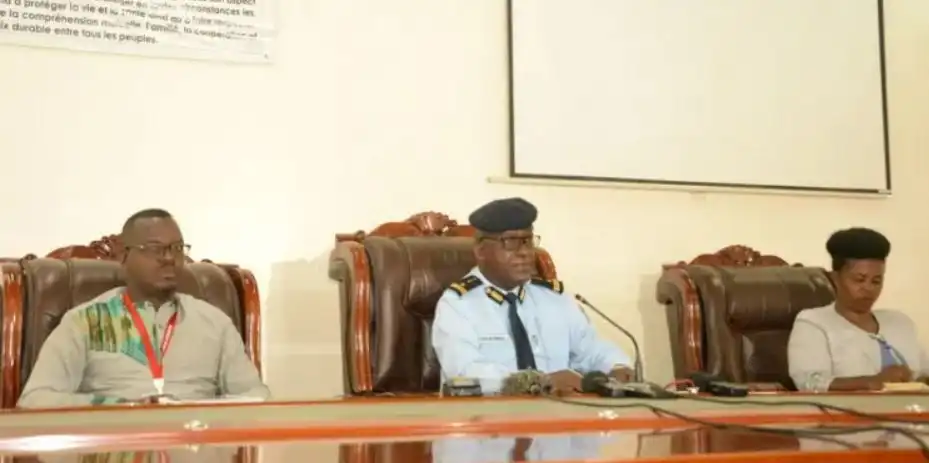
Now, Burundi can count on the approach of proactive actions in the prevention of disasters caused by the effects of climate change. This was indicated on the sidelines of a workshop on the definition of triggers for the rise of the waters of Lake Tanganyika organized by the National Platform for Risk Prevention and Disaster Management, in collaboration with the Burundi Red Cross, on Wednesday, September 25, 2024, on Wednesday, September 25, 2024, in Bujumbura.
“Ranked at the top of the list of major risks, disasters, in particular floods, are observed in the Imbo plain, in the Kumoso depressions as well as in the valleys of major rivers in Burundi. This situation makes Burundi one of the countries most affected by the effects of climate change,” said Anicet Nibaruta, president of the National Platform for Risk Prevention and Disaster Management. He recalled that “the floods linked to the rise in the waters of Lake Tanganyika and the overflow of the Rusizi River have caused the Burundian government to take beneficial measures to relocate the population of Gatumba to other more secure locations. “Bars and restaurants, residential houses, residential houses, schools, churches, and fields of crops were affected by these floods and an impact study of the effects of the el-Nino phenomenon. has been carried out.” To deal with these consequences, Mr. Nibaruta said that Burundi has just asked the World Bank, the European Union and the United Nations System in Burundi for support in setting up post-disaster assessment, which will allow the country to benefit from material and financial support.